Where seams go on a quartz countertop
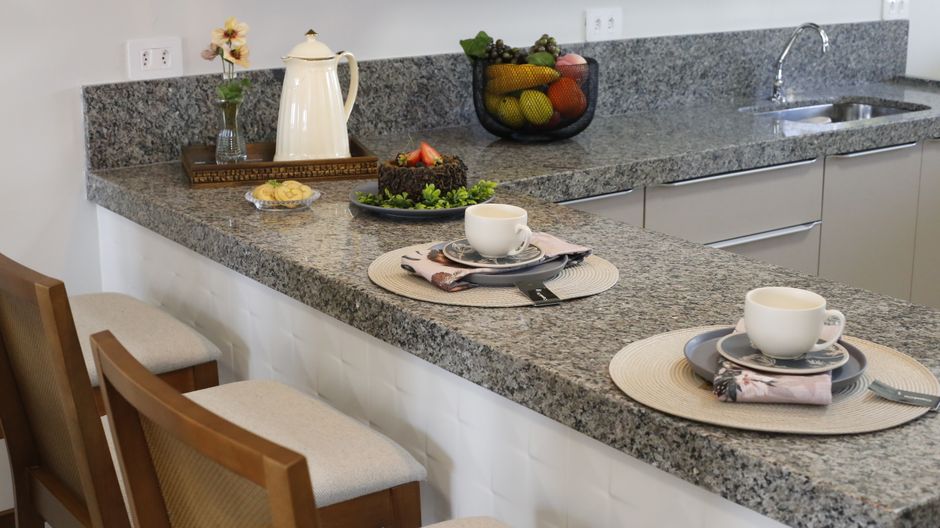
The seam does one job: it joins two pieces of slab where one piece cannot reach, and the notes kept at temecula quartz countertops daniel ritchie treat its position as a decision for the template visit on any quartz countertop in Temecula, CA. Where it falls depends on slab size, corners and the sink.
Slab size sets the limit
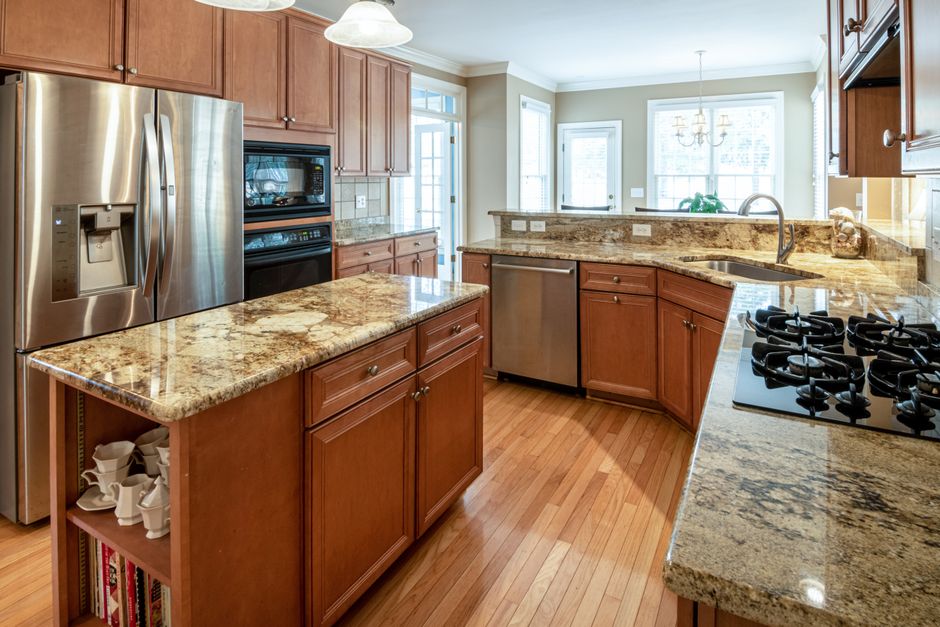
A standard slab is a little over ten feet long, so a longer run needs a seam, and an L-shaped kitchen usually needs one at the corner. The fabrication shop lays the digital template on the slab to see whether a single piece can cover a run, and sometimes a remnant makes a short section without a join.
Keeping away from the cutouts
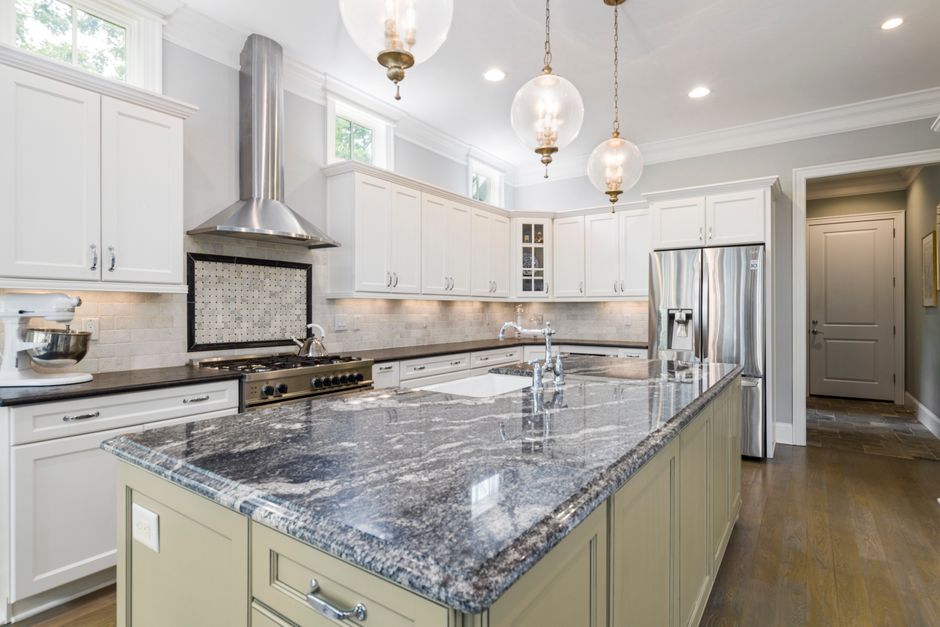
The thinnest part of the stone is the narrow strip beside a sink cutout or cooktop, and a seam through that strip is likely to crack. The usual rule is to place it at least a hand width from either opening, and a good installer would rather add an extra seam in a safer spot than cross a weak zone.
Corners
An L-shaped run is seamed at the inside corner or a short distance along one leg. A seam at the corner itself is cut so the pieces butt together square, while one offset along a leg sits more easily over the cabinet joints. Both work, and the shop chooses the one the cabinets support.
Matching veined quartz
Plain quartz hides a seam well, but a veined pattern needs the veins to line up across it. The shop cuts adjacent pieces from the same slab, in the same direction, and checks the match dry before bonding. A waterfall edge brings the same issue, since the vertical piece should continue the pattern of the top.
What a good seam looks like
A thin, even line with no lip you can feel with a fingernail. The colour of the adhesive is matched to the slab, and the two surfaces sit level. Seams near strong window light show more, so the relation of sink and window is worth thinking about before the template is taken.
Ask to see the layout drawing before the slab is cut. Most shops will mark the seam on the template or on paper, and a homeowner can move it a few inches if it lands in an awkward place, such as the middle of a prep area. Once the slab is cut, the position is fixed and cannot be undone.